Examining An Encounter From Specter Inspector

Introduction:

Hey there! This blog post breaks down encounter design principles, pacing, and gameplay beats of a screen from Specter Inspector, a horror themed 2D task management and evasion game that I served as design lead and level designer for.
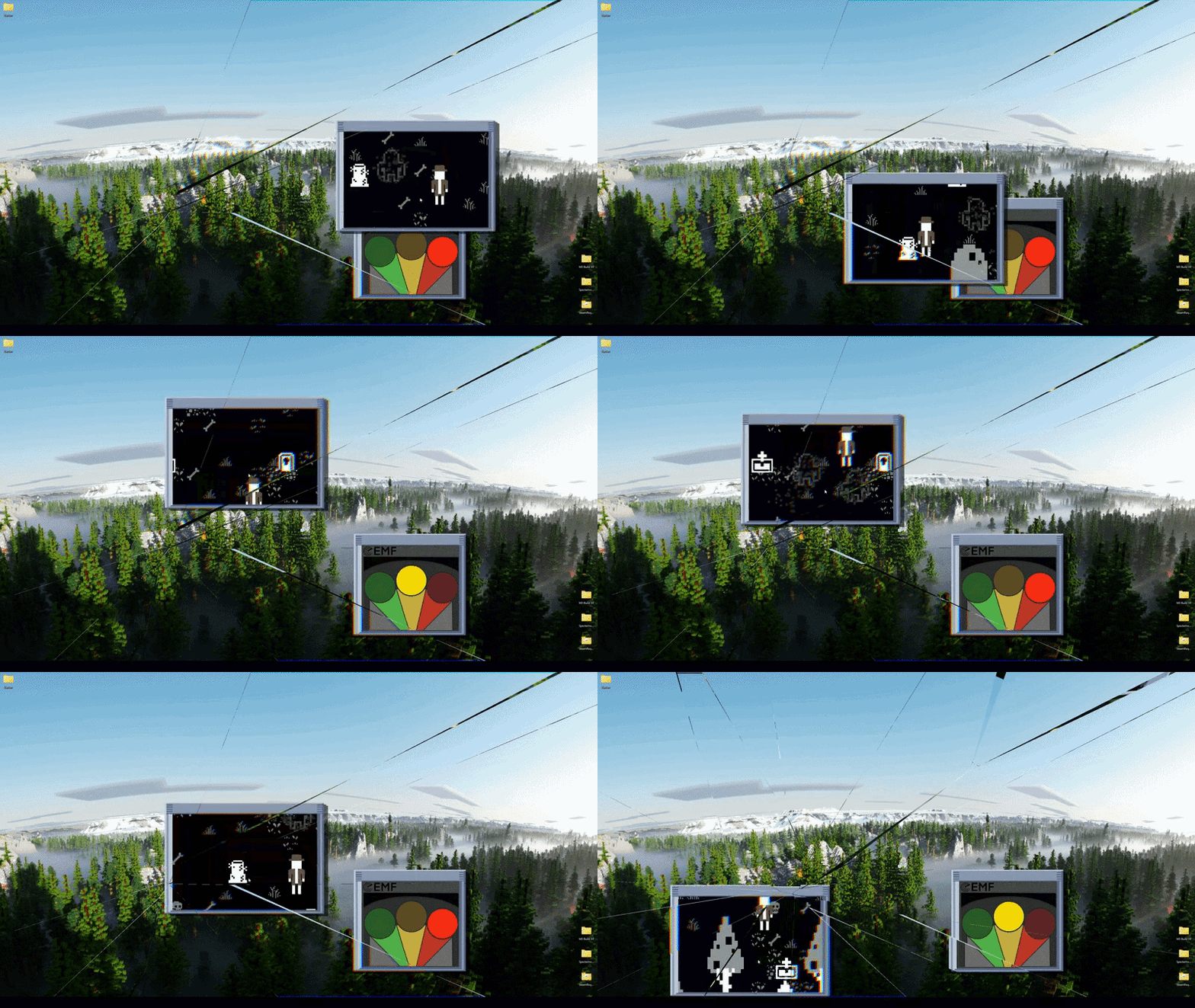
Gameplay of Specter Inspector

For more information about Specter Inspector's development, or for some more explanation of mechanics and context, view its project page on carter.hoke.dev. Or play Specter Inspector for yourself on Steam!
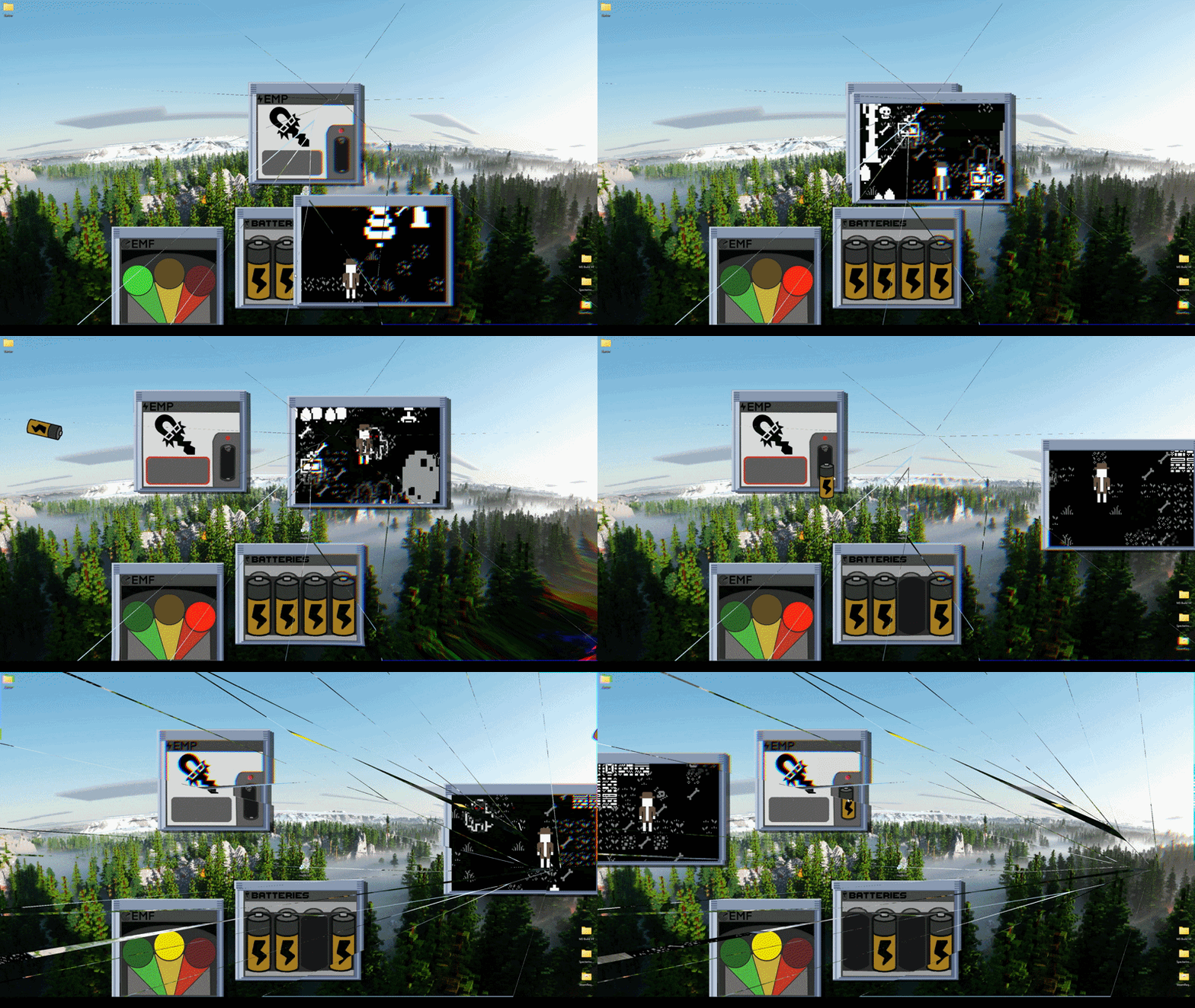
Context for this encounter:

Specter Inspector has three distinct levels, (referred to as modules). A tutorial module, an EMF device training module, and an EMP device training module. The tutorial is only four screens, and the latter two have ten screens worth of level content.

For this blog post, we will be examining the beats and encounter design structure of the final screen of the second module of Specter Inspector.

This screen serves as the culmination of the skill challenges the player has spent the last 9 screens learning how to navigate through and overcome. Can they pass one final challenge?

The health system of Specter Inspector is represented as cracks that appear on your screen upon touching a specter, and there is no way to heal these cracks. Meaning that by the time the player reaches this final screen, they could be badly injured, making the stakes of this screen especially high...

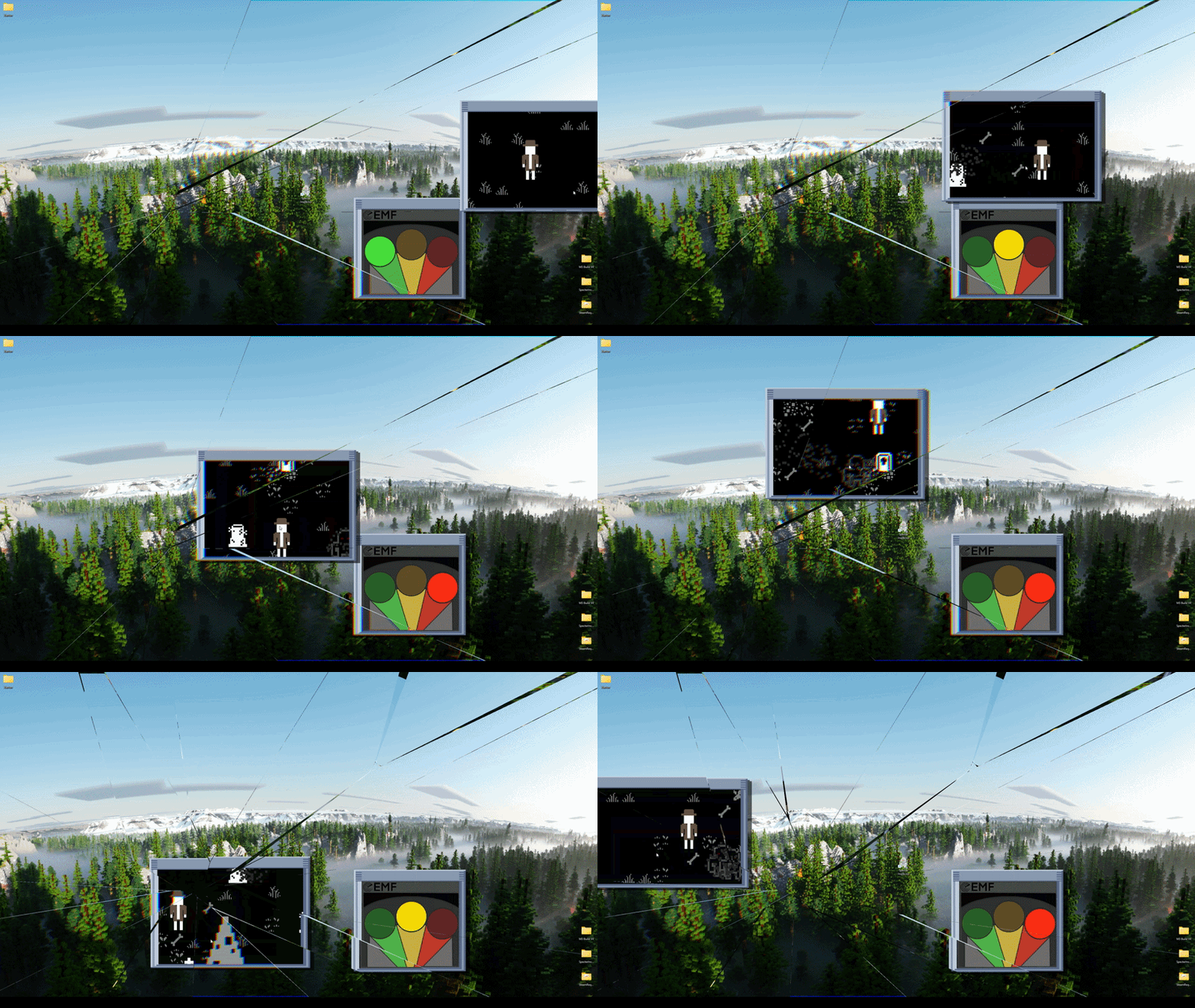
Final screen of module 2

Moving through the final screen of module 2, this is the space we will be analyzing. This encounter is one of my favorite screens out of the 24 total in the game, for a number of reasons we will expand on further in this blog post. Spoiler, it's because this space can surprise the player, and force them into stressful situations where quick thinking is key, drastically improving engagement for this final challenge.

Beats of the Encounter:

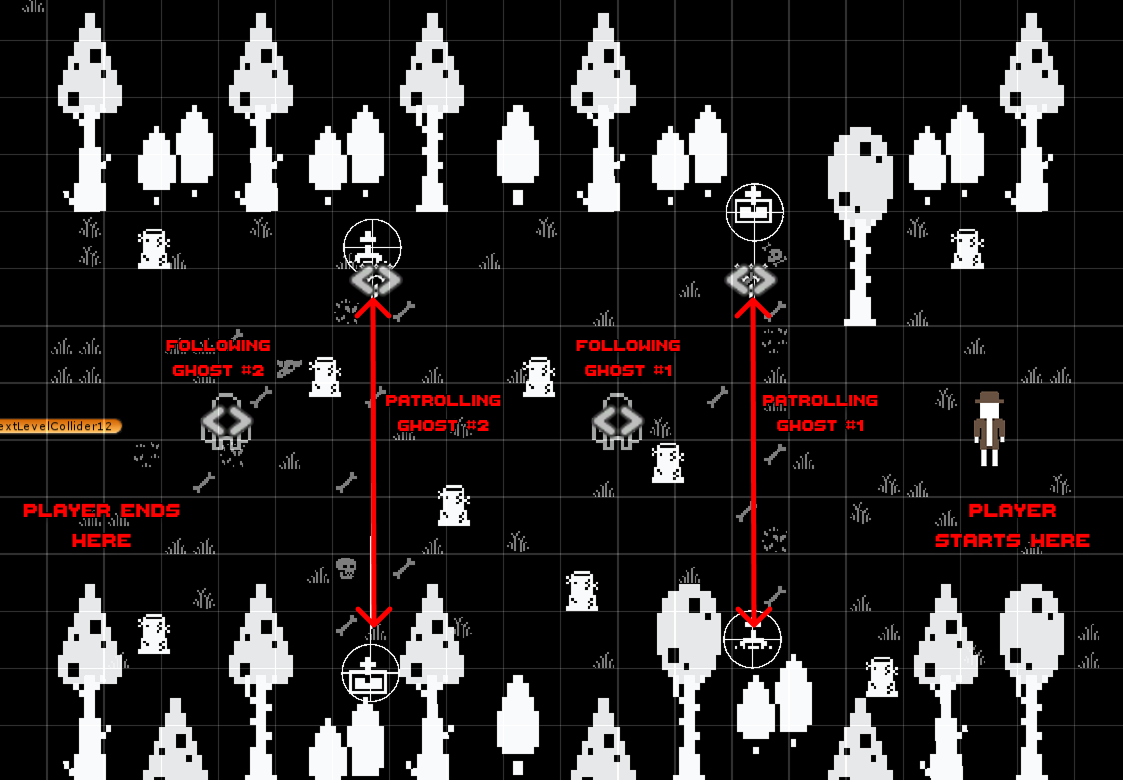
Top-down overview of this level space
  • The gameplay space widens into a larger, much more open environment than the previous screens. It should feel like you've entered into a new space in the graveyard, leaving behind the walls and catacombs for a woodland clearing. The effectiveness of this spatial vibe shift varies by user, as a 16 bit monochrome pixel art environment can be difficult to identify.
  • The first fast patrolling ghost can startle the player as they enter the space proper, but they likely won't initially contact it.
  • A following ghost closes in on the player here, forcing them to quickly adapt their movement! Either backtrack into potentially the fast patrolling ghost, or duck above or below it, minding a few small stumps in the way. This is the event that forces the player to start making quick decisions about where to go next, kicking off the momentum of this encounter.
Specter Inspector module 2 stumps encounter
  • Navigating through the stumps in the middle of the screen gives the player just another factor that informs how they evade the specters here. Having this be an entirely open space still would have all the challenge of facing these specters, but felt too bland, barren and wide. So a handful of stumps were added to provide spatial variety, and yet another subtle challenge.
  • A second speedy patrolling ghost makes the player hesitate, potentially allowing the following ghost to catch up!
  • A final following ghost's presence should panic the player. In response, they can't backtrack due to the patrolling ghost and the previous following ghost still pursuing the player. Ducking above or below here is more confined than the previous beat, making this escape far more narrow and stressful for the player.
  • The player could likely take damage here, but then can arrive at the end of the screen, to complete this module, rightfully earning a break, and the payoff for their work.

Conclusion:

This encounter serves as an effective climax for this module of the game, and delivers on giving the player a final suspenseful and surprising space to move through.

Putting the player in a straightforward, but treacherous portion of the graveyard gives them the space to navigate and contextualize through it however they choose to, while maintaining the challenge and presentation of elements regardless of their choices!

-Carter Hoke